
Bachelor of Arts (B.A.) in English
Study literature, writing, and cultural expression while developing the analytical and communication abilities central to the humanities.
Engage Deeply With the Power of Words.
Degree: Bachelor of Arts (B.A.)
Program Delivery: On Campus
Next Term: Fall 2026
Why Choose English at MCLA?
MCLA's English department combines the study of literature and writing with practical learning experiences that prepare students for professional and creative careers. Students develop strong analytical, research, and communication skills while exploring literature, cultural expression, media, and creative writing within a collaborative liberal arts environment.

Hands-On Publishing Experience
Students gain real editorial and publishing experience, including competitive internships with Tupelo Press in North Adams, where they contribute to editing, design, and literary production.

Undergraduate Research & Projects
Students actively participate in research and creative projects and collaborate with faculty on literary and cultural studies.

Dedicated Faculty Mentorship
Small class sizes create a close academic community where students receive individualized mentorship from experienced faculty and accomplished alumni.
Career Outlook & Program Outcomes
Careers connected to writing, communication, and media remain central to many industries.
Where This Degree Takes You
An English degree can lead to careers in publishing, media, education, communications, nonprofit organizations, and other fields that value strong writing and critical engagement with culture.
Career Opportunities
- Author or creative writer
- Editor or publishing professional
- Public relations specialist
- Grant writer
- Educator or academic researcher
- Communications specialist
- Media and cultural critic
Explore Our Programs
MCLA offers several English degree pathways. Learn more about specific curriculum structures and course requirements:
Skills You Will Develop
Spotlight Courses



Faculty
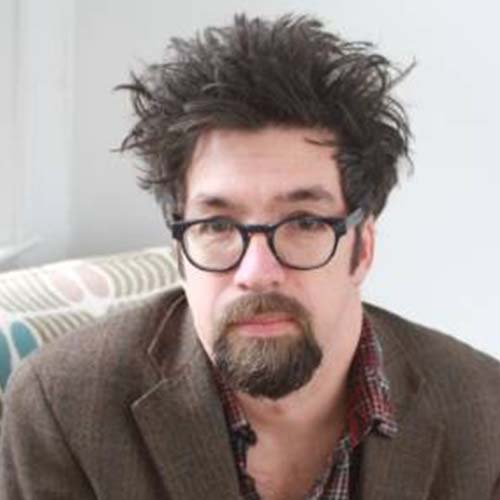
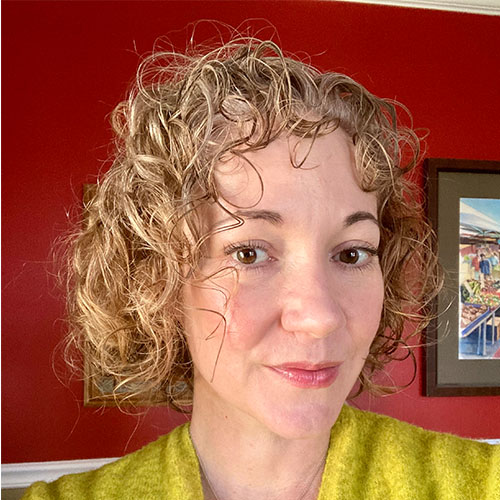
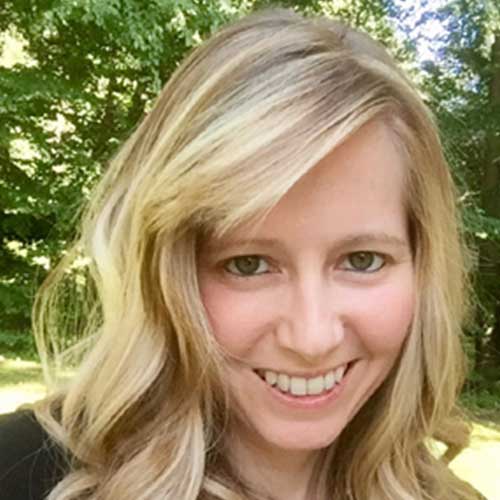
Meet Your Mentors



Humanities, Dialogue, and Social Responsibility
MCLA's English Department understands deeply that people of color and LGBTQIA+ individuals have long navigated social systems built upon and maintained by both physical and rhetorical violence.
In pursuit of transformative justice, we cannot ignore the structural conditions that have contributed to oppressing and silencing many of our fellow community members.
Committing to social and racial justice rhetorically, in the form of public statements, is an important starting point, but our faculty are also committed to employing restorative strategies on a daily basis at the curricular and programmatic levels.
All of our courses, and all of our programmed events, feature a high percentage of writers of color and gender diverse authors. Working towards parity in our syllabi and in our events will amplify the voices of the minoritized and oppressed, while also encouraging a relational and intersectional understanding of how BIPOC, gender diverse people, and white people inhabit, navigate, and interpret the world differently because of persisting power inequities.
We commit also to continuously evaluating and assessing how our department serves
the mission of public liberal arts by engaging in individual and collective teaching
and learning practices that best affirm our value.
Free discourse in an academic setting includes an embrace of different perspectives, interests, and inquiries and the freedom to pursue thoughts, ideas, and experiences with reading and writing without the threat of censorship. Here are some ways you can actively support free and respectful discourse in our class, in other classes in the English & Philosophy department, and at MCLA:
- Affirm other people's lived experiences. Listen to and affirm the stories of others.
- Develop a taste for discomfort. Being exposed to different perspectives, new voices, writers and thinkers who have something to say about being human isn't always comfortable.
- Embrace paraphrase over judgment. Paraphrase is the written art of listening. It's an attempt to exquisitely understand (and communicate to others) what someone else is saying in all of its force and complexity. Do this first. Deciding whether a piece of writing, or a person, is right or wrong, good or bad, isn't our goal-- neither is agreement or subscription. Being only concerned with if something's good might impede your ability to listen.
- Celebrate acts of testimony and witness. Many writers and artists produce texts to say something about what they have experienced, to mark themselves and others as human, as having endured, known or witnessed life. As readers we are often invited to witness things that are difficult and also discordant with our own experiences or emotions -- or, just as often, things we can relate to. Creators want all kinds of things from us. They want us to think, to feel, maybe even to act -- to have some kind of provocative experience with their text. They want something to happen. Celebrate that you are on the receiving end of this imperfect wish.
- Recognize and respect the speed of others. You might find yourself uncomfortable with something others are not, or vice versa. You might respectfully share your feelings about this while recognizing that others may be having a different experience.
- Take agency with self-care when reading in this course. It's great to challenge yourself to be uncomfortable while being exposed to new ideas and texts but only you know when that feels like too much for whatever reason. You might respectfully express your discomfort during class, lean back during conversation to give yourself some space, or take some space outside of the classroom. Note that your professors cannot anticipate what might provoke discomfort, nor can they account for all that might come up in an assigned text or student writing.
- Take agency with self-care with writing assignments. Assignments are open enough to invite a whole range of discourse. If you are interested in writing about difficult topics, you are able to. If you are not interested in doing so, find the speed that's right for you as you consider each assignment.
- Refrain from hate speech and don't use derogatory words for Black people, LGBTQIA++ people, or women, or anyone, unless you belong to that identity category and are using these words as an act of reappropriation. The United Nations defines hate speech as: "offensive discourse targeting a group or an individual based on inherent characteristics (such as race, religion or gender) and that may threaten social peace."
Refrain, also, from writing identifiably about any member of this course or the MCLA
community without explicit permission to do so.
New technologies such as Generative AI and large language models can present us with
information very quickly, but they cannot replace the deeper, creative and analytical
capacities which students develop through their studies in the Humanities.
In the English & Philosophy courses at MCLA, we emphasize human connections and creativity
in ways that feel increasingly essential. We help our students go slowly and think
deeply, as they learn how to interpret, imagine, question, contextualize and create
meaning in a landscape saturated with machine-curated information. Through the study
of literature, culture, philosophy, language, history and art, our students cultivate
skills such as:
- critical thinking and careful judgment
- experiential learning that values processes as well as products
- close reading and insightful writing
- imagination, creativity, and personal expression
- information, media, and technological literacy
- sustained attention, the values of slowness and deep focus
- embodied learning, feeling and knowing
- the ability to make connections across ideas, histories, cultures, and experiences
- the confidence to develop one’s own voice and perspective
Together our faculty and students want to figure out these questions through dialogue
and experimentation: What can the AI tools do well, and what can’t they do? What forms
of imagination, interpretation, and human connection cannot be automated? How do we
recognize bias, inaccuracy, and misuse? What are the social, ethical, environmental,
and economic impacts of AI?
English Events



English Features
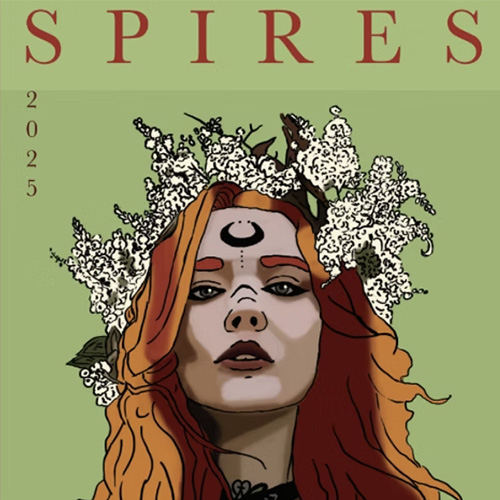
Spires is MCLA’s student-run, student-organized, and student-designed literary arts magazine. Throughout the fall and spring semesters, we collect creative prose, poetry, and art from the student body, with a new Editor-in-Chief bringing fresh energy each year.
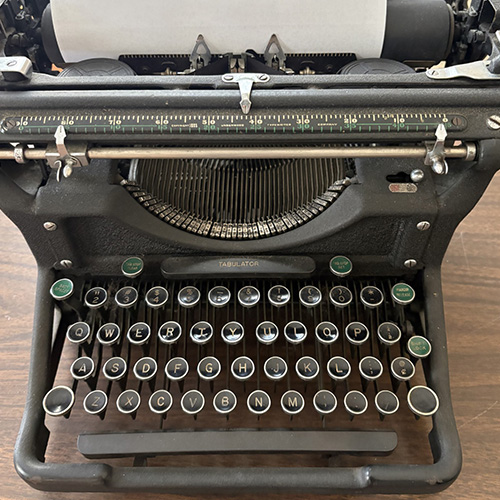
The English & Philosophy Department brings renowned poets, fiction writers or essayists to campus each semester, to meet with students and to offer a public reading of their work. The Spring 2026 Visiting Writers Series features Fanny Choi and Rena J. Mosteirin.
Alumni Spotlight
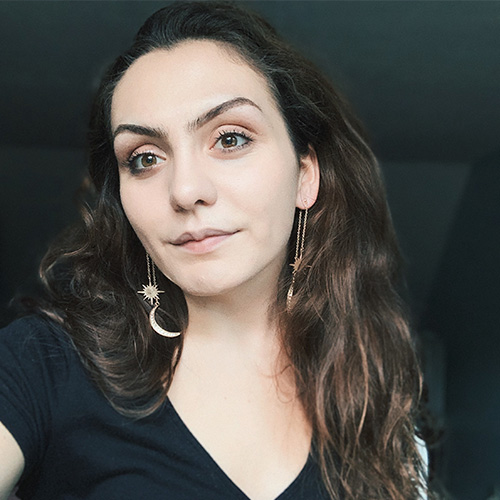
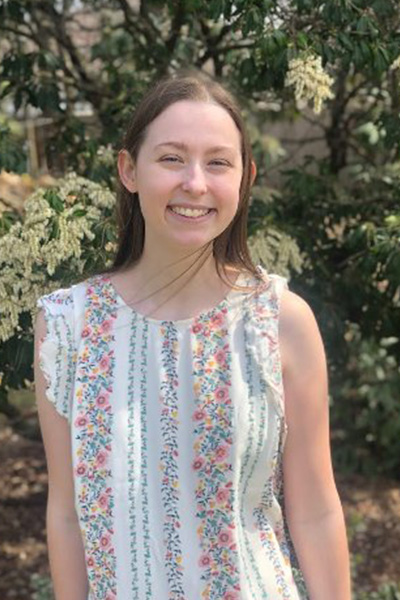
Alumni Spotlight
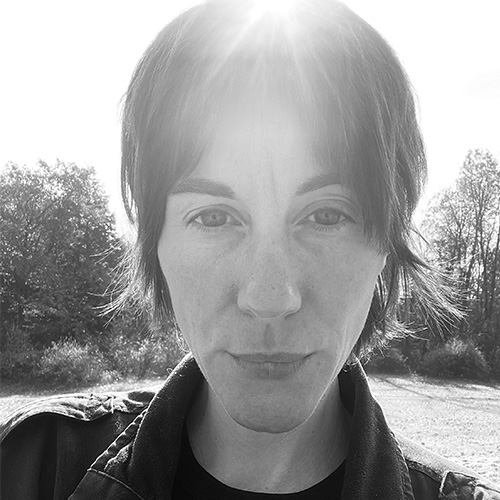
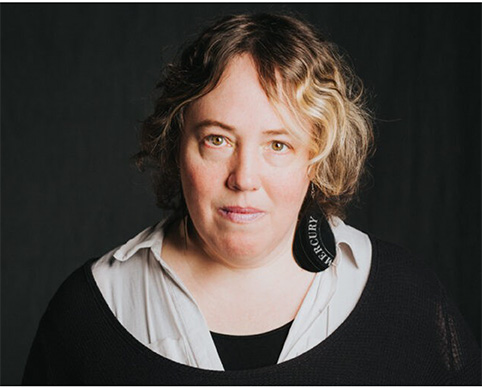
"I am most grateful for the faculty I met at MCLA, all of whom were thoughtful, experienced, and highly influential to me not only as a student, but also as an artist. My professors were knowledgeable and connected in the field, providing me opportunities for internships, extra-curriculars, and conference trips that gave me real-world experience and a life-long bond with my collaborators."
"During my time at MCLA, I received amazing one-on-one support from dedicated professors who are passionate about their work as writers, scholars, and educators. Their guidance, mentorship, and encouragement are the reasons I am now pursuing my MA"
FAQs
A:
- Communicate effectively in oral, written, and other forms of discourse.
- Demonstrate an ability to work effectively in collaborative learning and problem-solving environments.
- Craft thoughtful, creative texts that demonstrate a keen sensitivity to language, form, style, and effect.
- Analyze texts closely and critically, demonstrating how language, style, form and genre create effects and shape meanings.
- Articulate an understanding of how cultural, historical, and ideological contexts condition both the creation and the reception of texts across time and in today’s complex, diverse world.
- Use various critical methods and theoretical frameworks in scholarly dialogue with others about the interpretations of texts.
- Design and conduct research, applying it to problem-solving and contributing to various forms of public discourse.
- Employ relevant technologies in the production, critique, and presentation of texts.
- Reflect on how the knowledge and abilities developed in the English/Communications Department transfer meaningfully to other academic and non-academic, real-world situations.
A: Get ready to be surprised. Careers for English majors are way more varied—and more lucrative over time—than you might expect, especially in today's economy, where transferrable skills are essential. Here are some of the careers our English Majors have followed immediately after graduation:
- Filmmaker
- Student Affairs administrator at Public University
- Published novelist
- Managing Editor of Literary Publishing Company
- Social Media Marketer
- Co-president of Theater Company
- Journalist at Regional Newspaper
- Non-profit manager
- Published poet
- Elementary School Counselor
- Communication & Outreach Communicator at Public Library
We also have an excellent track record in helping our students get accepted into competitive,
often fully funded graduate programs in Creative Writing, Literary Studies, Library
Sciences, Writing and Rhetoric Studies and more, at programs including NYU, Cornell
University, Northeastern, University of Montana, Case Western University, UMASS Amherst,
Denver University, University of Washington, and Sarah Lawrence University.
A: Thanks to engaging faculty, intriguing classes and plenty of opportunities to bond
with fellow students in and out of the classroom, MCLA is one of the best colleges for English majors. An English degree from MCLA prepares you to think about big questions and ideas and
helps you develop valuable real-world skills.
A: Yes. English pairs well with many majors, and students often combine it with programs
such as education, communications, or political science.
A: English courses at MCLA are designed with small class sizes that encourage discussion,
collaboration, and individualized mentorship.
A: Students pursue internships in publishing, communications, media, education, and nonprofit organizations. Opportunities include placements with literary presses and cultural institutions.
Looking for More Information on MCLA's English Degree Programs?
Reach Out to Us
We’ll share helpful information and student stories, and we promise not to flood your inbox.